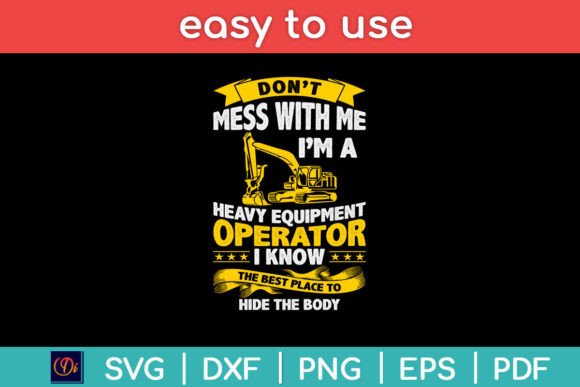
Don t Mess with Me I’m a Heavy Equipment
As an embroidery designer who spends half my life staring at stitch charts and the other half troubleshooting tension issues, I don’t just buy designs; I stress-test them. When Don t Mess with Me I’m a Heavy Equipment landed on my desk, I didn’t immediately think of it as a cute nursery item or a simple tote bag accent. The title alone carries weight. It’s bold, slightly aggressive, and undeniably masculine in its energy. My first instinct was to evaluate this not just as a graphic, but as a functional machine embroidery design ready for the hoop.
I’ve seen too many "tough guy" slogans get ruined by poor digitizing—where the text becomes illegible after three washes or the heavy fill stitches pucker the fabric into oblivion. So, before committing this file to any client project or personal gift, I put it through the wringer in my mind, looking at how it would translate from a digital vector to physical thread.
The Visual Personality and Mood
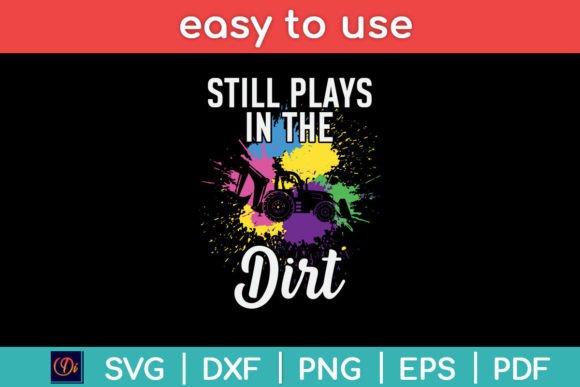
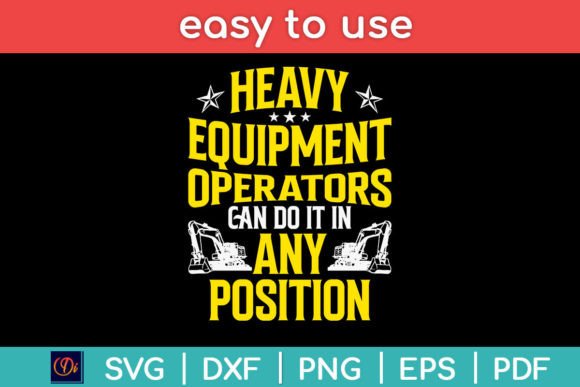
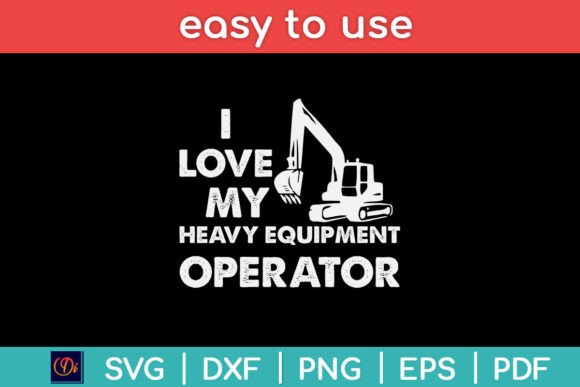
The phrase "Don t Mess with Me I’m a Heavy Equipment" is inherently loud. In the world of embroidery, loud doesn’t always mean effective. If the design relies on tiny, intricate details to convey its message, it will fail on anything larger than a small patch. However, assuming the core concept here is strong typography supported by thematic elements (like gears, excavators, or bold block letters), the mood it creates is one of rugged professionalism mixed with humor.
This isn’t a delicate floral applique design. This is a statement piece. It screams utility. When I look at the layout, I imagine it dominating the chest area of a sweatshirt or centered boldly on the back of a work shirt. The visual personality suggests it belongs in environments where hard work happens: job sites, garages, and industrial settings. For a crafter, this means you aren't making something fragile; you are making something that needs to withstand wear and tear, both physically and emotionally.
Real-World Application: Where Does It Fit?
Let’s talk about practical use cases. I recently helped a friend prepare merchandise for her small shop product line targeting tradespeople. She needed something that resonated with her husband, a diesel mechanic, without being cliché. Don t Mess with Me I’m a Heavy Equipment fit the bill perfectly, but only if executed correctly.
- Sweatshirt Embroidery: This is the ideal canvas. Heavy cotton blends provide the stability needed for dense stitch areas. The contrast between the thick fabric and the crisp threads of the design will pop, giving the finished product a premium feel.
- Custom Apparel for Men: Beyond sweatshirts, think polo shirts or durable work tees. The design acts as a badge of honor for the wearer. It’s a conversation starter at tailgates or job sites.
- Personalized Gift: Imagine gifting this on a high-quality apron or a heavy-duty tool bag. It transforms a generic item into a personalized gift that acknowledges the recipient’s identity and profession.
- Etsy Seller Opportunities: For digital product sellers, this design has high commercial potential. It taps into a specific niche. Whether sold as a digital embroidery file for other makers or as a finished good, the appeal is clear.
However, I also see potential pitfalls. Trying to force this design onto a baby onesie might feel tonally off unless the execution is incredibly soft and scaled down appropriately. Similarly, using it on a delicate tea towel could result in a clashing aesthetic. The key is matching the weight of the design to the weight of the material.
Technical Considerations for the Embroidery Project
Before you click "start," there are critical technical factors to consider. The description notes this is compatible with cutting machines like Cricut and Silhouette, which often implies it’s a cut-file based design. When converting or adapting this for embroidery, you must ensure the stitch density is appropriate.
If the design features large blocks of text, you need to be wary of fill stitch puckering. Heavy equipment operators deal with heavy loads; their apparel shouldn’t buckle under the weight of thread. I recommend testing the design on scrap fabric first, specifically using a stabilizer that matches the fabric's stretch and thickness. For knit fabrics like hoodies, a cut-away stabilizer is non-negotiable to maintain integrity over time.
Another crucial step is checking the hoop size. If the design is wide, ensure your machine can accommodate it without awkward re-hooping, which can misalign the stitching. Also, inspect the small details. Are there any tiny lettering elements that might get lost in the texture of the fabric? If so, consider simplifying the design or increasing the scale.
Thread Colors and Fabric Texture
The choice of thread colors will make or break this design. On dark fabric, you’ll need bright, high-contrast threads to ensure readability. On light fabric, you have more freedom, but metallics or darker threads can add a sophisticated touch. Always test your color palette against the actual fabric you plan to use. A mockup on screen looks different than thread on denim.
Fabric texture matters immensely. A smooth twill cap provides a clean background for the satin stitch outlines, ensuring sharp edges. A rough burlap tote bag, however, might eat up fine details, turning a precise gear shape into a blurry blob. Be realistic about where you place the design. Curved surfaces like caps require careful tension adjustments to prevent the thread from snapping or looping.
Commercial Viability and Brand Consistency
For those running a craft business or selling on Etsy, consistency is key. Using a design like Don t Mess with Me I’m a Heavy Equipment helps establish a brand voice that is bold and authentic. It appeals to buyers who value craftsmanship and humor. However, you must confirm licensing before selling finished items or digital products. Ensure you have the right to use the design commercially. Many SVG files come with restrictions that differ from embroidery licenses.
When presenting this in your shop, use printable mockups that show the design on relevant products. Show it on a muddy boot next to a pristine white hoodie. Show it on a construction site backdrop. Help your customer visualize the finished product in their life. This reduces return rates and increases buyer engagement because they know exactly what they’re getting.
Final Verdict
Don t Mess with Me I’m a Heavy Equipment is more than just a funny phrase; it’s a design asset that requires respect. It demands proper digitizing, quality materials, and thoughtful placement. When done right, it results in a handmade product that feels substantial and meaningful. It’s not for the faint of heart, nor is it for delicate projects. But for the right audience—the builders, the drivers, the makers—it’s a perfect match.
My advice? Don’t rush it. Test the embroidery file thoroughly. Check the satin stitch coverage. Verify the running stitch accuracy. And most importantly, trust your eye. If it looks good on the screen but feels wrong in the hoop, adjust until it feels right. That’s the difference between a quick sale and a loyal customer.
Whether you are adding this to your design assets library or creating a unique custom apparel piece for a loved one, remember that the best embroidery comes from planning. Treat this design with the same seriousness you’d treat a blueprint for a crane, and your final result will stand tall.